
Being diagnosed with oesophageal cancer can mean you experience problems with swallowing, or food going down, which can make it difficult to eat normal consistency foods. If you are feeling food ‘getting stuck’ or you bring food back up after eating (vomiting or regurgitation), adapting the texture of your diet can help. It may also be recommended that you adapt the texture of your diet whilst undergoing treatments such as chemotherapy, radiotherapy, after having an oesophageal stent placed, or following surgery.
Eating slowly, chewing your food well, and avoiding lying down after eating can also help and for some, it can be helpful to have a drink during or after eating. Eating smaller amounts more often during the day can be easier than having large meals. The following foods are most likely to cause a problem, so it may be best to avoid these if you find them difficult:
- Bread and doughy foods such as thick pastry or pizza bases
- Raw fruit and vegetables or skins on, such as potato skins
- Tough meats
There are several companies such as Wiltshire Farm Foods or Oakhouse Foods who supply a range of ready prepared meals of a suitable texture – look for ‘Soft and bite sized (Level 6)’ or ‘Purée (Level 4)’ on their websites.
You can ask your doctor or specialist nurse to be referred to a specialist dietitian for more personalised advice and support.
Choosing a Softer Consistency Diet
You might find it easier to change to a softer consistency diet. This can include:
- Finely chopping food into ‘bite-sized’ pieces (no bigger than 1.5cm x 1.5cm in size)
- Choosing food that can be mashed or broken down with a fork or spoon
- Adding sauces and gravies to moisten food and make it easier to swallow
- Soften meat and vegetables with slow cooking
Below are some suggestions for meals and snacks that would be suitable for a ‘soft and bite sized’ diet, you may have your own that you can add to the list too:
Breakfast Ideas
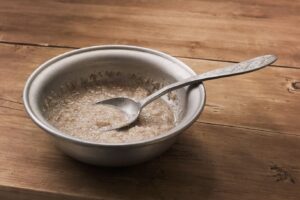
- Porridge or Ready Brek made with milk
- Weetabix or Oatibix soaked in milk
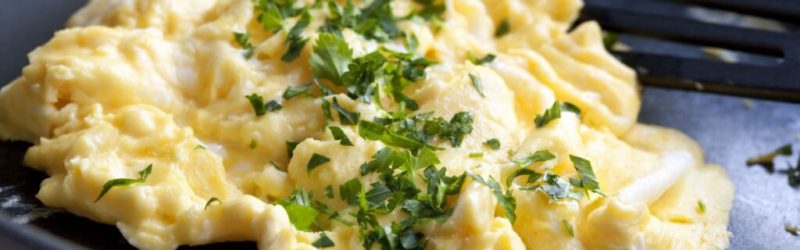
- Scrambled egg
- Mashed banana
- Yoghurt or fromage frais
- Stewed fruit with yoghurt
These could also be included as nutritious snacks.
Main Meal Ideas
Try to include some protein, carbohydrates and vegetables in every main meal, here are some suggestions:
Protein
Meat, poultry, fish and vegetarian alternatives
- Minced meats in stews and casseroles
- Minced Quorn or textured vegetable protein
- Tofu or soya mince
- Thin slices of cold meat, such as ham, cut up small
- Smooth paté
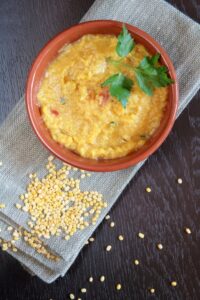
- Well-cooked lentils mashed with a fork and served with a sauce, like dhal
Fish
- Boneless fish cooked by steaming, baking, poaching or microwaving, and served with a sauce
- Tinned tuna or salmon with mayonnaise
Eggs
- Scrambled or poached eggs
- Plain omelette
Adding extra butter, milk or margarine can help to make eggs softer.
Cheese
- Soft or cream cheese
- Cottage cheese
- Grated cheese added to mashed potatoes, sauces and soups
Carbohydrates
Pasta and potatoes
- Well-cooked pasta with plenty of sauce.
- Boiled soft noodles or rice
- Mashed potato with butter, margarine, gravy or sauce
- Jacket potato without skin
Fruit and Vegetables

Fruit
- Ripe bananas, mangos or pears
- Peeled peaches, nectarines or plums
- Stewed fruits, such as apple or pear
- Tinned fruit such as peaches
Vegetables
You can cook fresh, frozen or tinned vegetables until soft and mash with a fork if necessary.
- Carrots, parsnips, swede or butternut squash
- Cauliflower or broccoli florets (no stalks)
- Tinned tomatoes (no skin)
- Mashed avocado
- Courgettes or aubergines (with tough outer skins removed)
Sauces
Sauces can be used to moisten foods as well as add extra calories and protein. You could try adding:
- Cheese sauce, parsley sauce, white sauce, butter sauce or curry sauce
- Gravy
- Mayonnaise or salad cream
- Natural yoghurt
- Soured cream
- Custard, or evaporated or condensed milk
Desserts and Snacks
- Milk puddings, such as semolina, tapioca, rice pudding or custard
- Soft sponge puddings with added cream or custard to make puddings moist
- Blancmange or crème caramel
- Smooth yoghurt or fromage frais
- Mousse or whips
- Trifles (without hard fruit pieces)
- Fresh or tinned fruit (see fruit and vegetable section)
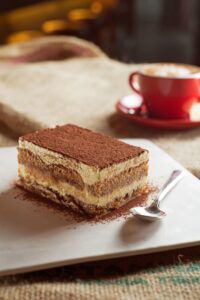
- Tiramisu
- Jelly
- Ice-cream or sorbet
- Homemade or shop-bought milkshakes
Purée Diet
If you are struggling to manage a soft consistency diet, moving more towards a blended (or purée) consistency diet can help. Puréed foods are foods that have been ground, pressed or strained to a smooth consistency:
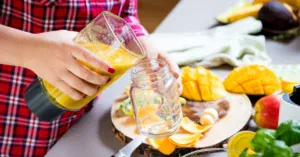
- Food can be puréed using a blender, liquidiser or food processor, or by being pushed through a sieve
- Cook food as per cooking instructions and cut into small pieces before puréeing
- You may need to add liquid to food before puréeing it. For example, you could add gravy to meat or milk to macaroni cheese
The following foods are not suitable for blending:
- Stringy foods (green beans, celery, rhubarb, pineapple)
- Crunchy foods (muesli, crisps, toast, nuts, crusty bread)
- Foods with skins or husks (sausages, beans, peas, sweetcorn)
- Chewy foods (tough meat, toffees)
- Seeds and pips (summer fruits, citrus)
- Doughy foods (bread, pizza, bun)
Suggested Puréed Meal Ideas:
Breakfast Ideas
- purée porridge, Ready Brek or Oatso Simple
- purée stewed fruit or banana with yoghurt
- smooth yoghurt or fromage frais
- smoothies (without bits)
Main Meal Ideas
Protein
Meat, poultry, fish and vegetarian alternatives
- Meat, poultry or boneless fish puréed using a sauce or soup, such as a white, cheese or smooth tomato sauce
- Macaroni or cauliflower cheese puréed
- Lentils, such as dhal, cooked until soft and then liquidised
- Cheese added to sauces (avoid grating cheese onto hot food as it may become stringy and difficult to swallow when melted)
Carbohydrates
Pasta and potatoes
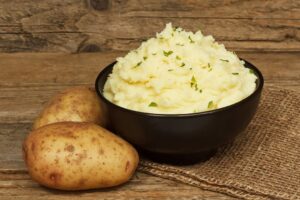
- Mashed potato with added milk and butter or margarine to make it smooth and add calories
- Pasta, cooked and puréed with a sauce, such as cheese, white or smooth tomato sauce
Fruit and Vegetables
It’s important to make foods high in fibre (such as fruit, vegetables and puréed lentils) a regular part of your diet.
- Fresh, frozen or tinned vegetables cooked until soft and then puréed (avoid green beans, peas and sweetcorn)
- Vegetables with added margarine or butter, or a sauce such as cheese, white or smooth tomato sauce
- Stewed, puréed fruit with added cream, sugar or honey (remove all skins, seeds and pips from fruit before puréeing)
Desserts and Snacks

- Packet desserts made with milk and added extra cream, evaporated or condensed milk or sugar for extra energy
- Smooth yoghurt, fromage frais and mousse
- Blancmange, instant whips or smooth fruit fools
- Smooth milky puddings (puréed semolina, sago or tapioca) and custard
- Puréed fruit (remove skins, seeds and pips before puréeing)
- Crème caramel
- Ice-cream
Nourishing Fluids
Soups
- Soups enriched with cream
- Packet soups made using fortified milk (see recipe on our ‘building yourself up’ page here)
Most soups will need to be puréed and strained to remove any bits. Choose ‘cream of …’ or concentrated soups whenever possible.
Drinks
- Pure or fresh fruit juice (with no bits)
- Fruit smoothies (with no bits)