
This is an extremely common condition, affecting up to 1 in 4 adults in the UK. Heartburn is described as a burning sensation in the chest. It is caused by acid reflux – stomach acid passing up from the stomach into the oesophagus toward the throat. Persistent reflux is also known as gastro-oesophageal reflux disease or GORD.
While most attacks occur during the day, some experience problems at night. These people often have a chronic cough which is caused by stomach acid irritating the throat.
If you have constant heartburn or indigestion reflux for three weeks or more you should speak to your GP.

Some people may experience some or all of the following.
If you experience any of these symptoms persistently for more than 3 weeks, you should consult your GP.
Food and drink, once swallowed, travels down the oesophagus and into the stomach. At the bottom of the oesophagus is a muscular ring – a sphincter – which acts as a one-way valve. When this valve fails acid reflux occurs. Although the stomach lining is designed to withstand the acidity in your stomach, the oesophagus is not. The irritation in your oesophagus can cause inflammation (oesophagitis) and, even ulceration. It can also cause Barrett’s oesophagus.
Lifestyle factors which can increase the risks of heartburn and reflux include:
Diagnosis will be based on the description of your symptoms and the length of time you have been experiencing them.
Sometimes these symptoms may be caused by other medications you are taking and therefore you will be prescribed extra medication to take alongside in the form of proton pump inhibitors (PPIs).
You may be referred for any of the following medical tests:
Endoscopy (also known as Gastroscopy): A thin, flexible tube will be passed down through your mouth or occasionally through your nose into the oesophagus and the stomach and start of the small intestine. The tube will have a camera for the endoscopist to take images, biopsies may be taken at the same time and sent for analysis. The procedure is usually carried out under sedation or with a local anaesthetic in the form of a numbing spray. Occasionally, a general anaesthetic may be necessary. These options will be discussed with your doctor.
Barium Swallow: This is done less often these days as an endoscopy is usually preferred. You will be asked to drink some barium liquid while standing in front of an x-ray machine. Images will be captured of the throat and the oesophagus. This procedure can highlight a hiatus hernia or narrowing of the oesophagus.
Oesophageal Manometry: is a test which is used to measure pressure and also contractions of muscle along the oesophagus and in the sphincters (bands of muscle) at the top and bottom of it.
pH Monitoring: a test to assess the severity of reflux by measuring the acid concentration (pH) in the lower part of the oesophagus over 24 hours.
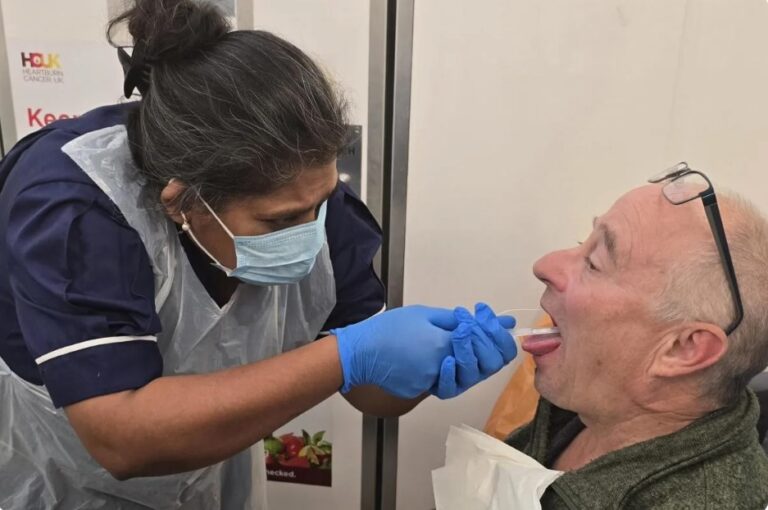
The Capsule Sponge Test: The test involves swallowing a capsule on a strong, thin, thread with some water. The capsule is left in your stomach for up to seven minutes until it dissolves, releasing a small sponge. After seven minutes, the doctor /nurse will remove the sponge by pulling gently on the thread. As it is pulled out, the sponge collects a sample of the cells lining your food pipe (oesophagus). The cell sample will be sent to the lab for analysis to look for Barrett’s cells and any sign of inflammation or cancerous changes. You will be told the results and if you need any treatment or follow up tests.
The capsule sponge test is only available in some areas, but we hope this will change soon and are doing all we can to support that.
Depending on the severity, medication such as proton pump inhibitors (PPIs) may be prescribed. You would need to take these for 4 to 8 weeks to start with. If the PPIs are not helping the doctor may suggest you try a difference medicine, called H2 receptor antagonists, such as Famotidine. These suppress acid before it can cause damage.
If medication is required long term or your symptoms do not improve, your doctor may refer you to check for any underlying cause.
In some cases, when medication is not effective at controlling your symptoms, your doctor may refer you for an operation called Laparoscopic Nissen Fundoplication. The keyhole surgery, carried out under general anaesthetic, involves wrapping the top end of the stomach around the bottom of the oesophagus to form a new valve which stops acid travelling back up into the oesophagus.
There are other new treatments available that you may want to consider:
Contact your GP immediately if you have ANY of the following:
Gastro-Oesophageal Reflux Disease (GORD): another name for persistent reflux
Barrett’s Oesophagus: Barrett’s is a potentially ‘precancerous condition’, where some of the normal cells in the lining of your oesophagus (food pipe) have changed to be ‘abnormal’ and more at risk of turning into cancer.
Dyspepsia: another word used to describe indigestion
Hiatus Hernia: a hiatus hernia is when the upper part of your stomach bulges through an opening in the diaphragm. It does not normally need treatment if it is not giving you any problems. The hernia can cause interference with the normal functioning of the lower oesophageal sphincter and lead to acid reflux
H2 Receptor Antagonists: is a type of medicine prescribed to treat conditions caused by too much acid being produced in the stomach. A well-known brand is Famotidine
Laryngo-Pharyngeal Reflux (LPR): often referred to as ‘silent reflux’ because people do not often experience the classic symptoms of heartburn or indigestion.
Oesophagitis: is an inflammation of the lining of the oesophagus. In most people this is caused by stomach acid repeatedly passing back up into the lower oesophagus
Proton Pump Inhibitors (PPIs): is a type of medication that significantly reduces the production of stomach acid and prevents damage to your organs. You may be familiar with the names Omeprazole, Lansoprazole, pantoprazole but there are other types too
Ulceration: a condition where sores develop on the lining of the stomach. These aren’t always painful, but you may experience heartburn and acid symptoms
Water brash: when stomach acid and saliva mix and rise into your throat causing an unpleasant taste in your mouth
It may be useful to track the food, drink and activities which trigger your symptoms. This can help you to avoid them and it can also help you keep a record for any GP appointments.
The following are often the most common triggers although they vary from person to person: