
Follow Us:

Dumping Syndrome

Everything you Need to Know …and More

Essential Information about…Dumping Syndrome

What is Dumping Syndrome?

Dumping syndrome is a term used to describe a range of symptoms that you may experience after oesophagectomy or gastrectomy due to food being ‘dumped’ into the intestine quickly. Between 20-50% of patients who have had this type of operation will experience symptoms of dumping syndrome at some point in their recovery.Dumping Syndrome
If you do experience symptoms, try to identify what may have caused them so that you can adapt and  help prevent it from happening again. Some people find keeping a food and symptom diary can be helpful to spot any patterns in their symptoms. 

There are two types of dumping syndrome:

Early Dumping Syndrome

This happens within 30 minutes of eating and is the most common type of dumping after oesophagectomy. Many people find early dumping syndrome gets better on its own in time.

The main symptoms are:

  • Bloating and abdominal pain
  • Nausea
  • Diarrhoea
  • Dizziness

It occurs when food quickly enters the small intestine. Water is pulled into the small bowel, causing a drop in blood pressure which can make you feel faint or dizzy. The presence of more fluid in the bowel can also make you feel bloated and give you watery diarrhoea.

How to Prevent Early Dumping Syndrome

Late Dumping Syndrome

This usually happens two to four hours after eating, or if you have missed a meal and is caused by low blood sugar levels. Eating large quantities of sugary foods can cause your blood sugar level to rise quickly. This can result in the body producing large amounts of insulin, which then causes your blood sugar levels to drop suddenly, which gives rise to the following types of symptoms:

  • Sweating
  • Shakiness
  • Dizziness
  • Difficulty focusing
  • Blurred vision

How to Prevent Late Dumping Syndrome

The Impact of Glycaemic Index on Late Dumping Syndrome

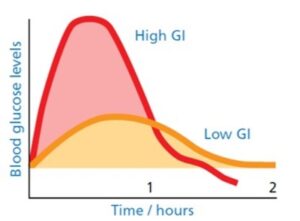
Glycaemic index (GI) is a ranking of how quickly foods are absorbed and cause your blood sugar levels to rise after eating them. Choosing lower glycaemic index foods and limiting high GI sugary foods can help prevent such a large variation in blood sugar levels, which will reduce late dumping symptoms, as the graph below shows.
 

Sugar Swaps

Try to reduce sugar in hot drinks such as tea or coffee. Use artificial sweeteners instead, such as Canderel, Splenda, Sweetex or supermarket own brands.

Fruit juices, smoothies, full sugar squashes and fizzy drinks are all loaded with sugar. Instead, choose no added sugar versions and ‘diet’ or ‘zero’ fizzy drinks.

High sugar foods


Alternatives


Reduce the number of high sugar foods, such as:

  • Sweets
  • Cakes
  • Biscuits
  • Jams, treacle, honey and syrup
  • White cereals such as cornflakes, rice crispies and coco pops

Limit fresh fruit to one portion (a handful) at a time, and try to have these with a protein source such as cheese or no added sugar yogurt.

Instead, you should choose slower release foods, such as:

  • Cheese and crackers
  • Nuts and seeds
  • Popcorn
  • Lentils
  • Chickpeas
  • Porridge and most bran-based cereals
  • Wholegrain, granary, rye or seeded breads
  • Potatoes or sweet potatoes with skins
  • Wholemeal pasta and noodles
  • Brown rice
  • Grains such as bulgur wheat, barley and couscous

Sample Meal Plan

Breakfast (8am to 9am)

  • Porridge or wholemeal breakfast cereal
  • Wholemeal toast with spread
  • Scrambled egg on wholemeal toast

Mid-morning snack (10.30am to 11am)

  • Cheese and rye crackers
  • A handful of nuts
  • Oatcakes or flapjack (check label for sugar content or avoid adding honey if homemade)

Lunch (1pm to 2pm)

  • Wholemeal pitta bread or wrap with meat and cheeseDumping Syndrome
  • Lentil soup
  • Cream cheese and seeded crispbread

Mid-afternoon snack (3.30pm to 4pm)

  • Popcorn
  • Hummus with crackers and raw vegetables
  • Full fat yogurt

Dinner (6pm to 7pm)

  • Wholemeal pasta or rice dish
  • Chilli made with lentils and beans
  • Couscous or quinoa with roasted vegetables

Evening snack (8am to 9pm)

  • Oatmeal cookies
  • Malt loaf

Although dumping syndrome is relatively common after oesophagectomy, you can experience similar symptoms with other conditions. If you are still experiencing symptoms despite making these dietary adaptions, or if you experience symptoms of bowel movements that are pale in colour, very smelly, difficult to flush away or greasy/oily looking, bloating or excessive wind, or if you are eating well but still losing weight, then please contact to your Specialist Nurse or Dietitian for advice.

Share

Who are Heartburn Cancer UK?

Persistent heartburn
Downloadable
Printable Version
Skip to content