From Intensive Care to the Alps: Beating a Little-Known Cancer and Reclaiming Life
The Diagnosis that Changed Everything
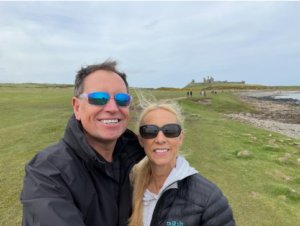
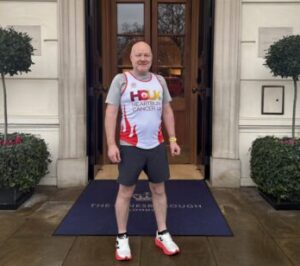
Skiing enthusiast John Hatton had no reason to suspect his life was about to change forever. At 54, he was fit, active, and had no major health concerns—just the occasional bout of heartburn, which came and went over the years, like so many others. The Leicestershire project manager had no idea a silent killer was already taking hold.
John was getting on with everyday family life with his wife Verity, 11-year-old daughter Elsie and 23-year-old stepdaughter Jordan and booking the annual ski-trip with his friends.
“I didn’t really have any symptoms at all,” he recalls. “A couple of times, I had some difficulty swallowing and a bit of pain, but nothing alarming,” he said.
It wasn’t until September 2023 that he noticed something was off. “I went to work one Monday morning and didn’t feel very well. By Tuesday, I was feeling really unwell.” A visit to his GP led to an urgent referral to hospital. Initially, doctors suspected a chest infection, but further investigation revealed a devastating truth.
“The doctor came back to see me on the Thursday morning and said, ‘It’s not great news really, John. We found a lump on your oesophagus… I’m pretty certain it’s cancer.’”
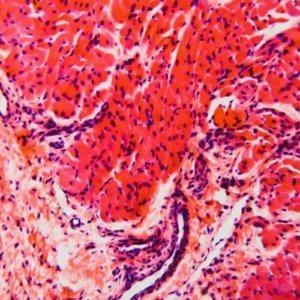
John was diagnosed with oesophageal cancer at stage T3N2M0 -meaning the tumour had grown deep into the oesophageal wall (T3), spread to nearby lymph nodes (N2), but had not yet spread to distant organs (M0). This staging placed him in a serious but still operable category.
For John, the news was like a bolt from the blue. “I was 54 at the time, quite young for it. I’ve never been a heavy drinker, never smoked. In lots of ways, I was unlucky.”
The Toughest Conversation – Telling his Daughter
As the parents of a still young child, John and Verity thought carefully about how to tell Elsie, who was just 11 at the time. “The clinical nurse advised us to be honest and use the right words – cancer, chemotherapy – so she understood.” When they sat her down, she took it in stride. “She said, ‘I don’t know much about cancer, but I know there are lots of different types.’”
As they explained his treatment, Elsie made a surprising connection. “She said, ‘Oh, is that like what Ralph’s mum had?’ Ralph was a schoolmate whose mum had breast cancer and a PICC line. She remembered that and asked, ‘Oh, so you’ll have that thing in your arm?’”
Her response brought a sense of relief. “She just said, ‘Oh, okay,’ and asked if she could go do her maths homework.” Despite her brave face, John and Verity made sure she had plenty of support. “We didn’t want her to miss out on her sports – her swimming, her hockey – so we kept things as normal as possible. She handled it amazingly.”
Home from Hospital for his Birthday
John’s treatment at Royal Derby Hospital was swift and aggressive. “I went through four rounds of chemo before surgery. The second lot really knocked me hard – burns on my face, couldn’t eat much, lost a lot of weight.”
The chemotherapy proved highly effective, though, shrinking the tumour to T1A, meaning it had reduced significantly and was no longer present in the lymph nodes.
Then came major surgery. “I lost eight centimetres of my oesophagus and a third of my stomach. They had to re-plumb it all.” But his fitness and determination helped him through.
“I was in hospital for eight days, which was quick. I pushed myself with physio and got home on my birthday.”
Following surgery, he underwent another four rounds of chemotherapy between April and May 2024. “The second lot of chemo hit me much harder than the first,” he admits. “I was really unwell through most of it.”
John also enrolled in the SARONG study in Derby, which provides extra scans and endoscopies to closely monitor for any recurrence of cancer over the next three years.
Back from the Brink – and Back on the Slopes
Recovery was tough, both physically and mentally. “It hit me like a ton of bricks at the start. I worried about my girls, about not being here for them.”
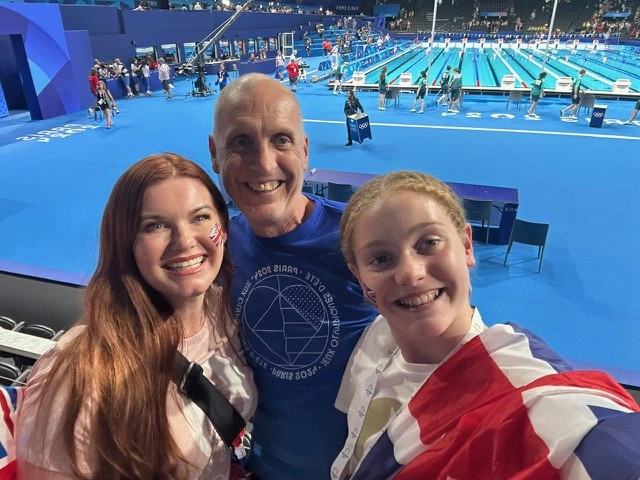
Despite these fears, John – ever the project manager – made it his mission to reclaim his life. “I set myself targets. My first was to make it to the Olympics in Paris with my wife and daughter. That was just six months after surgery, seven weeks after finishing chemo. It was tough, but we did it.”
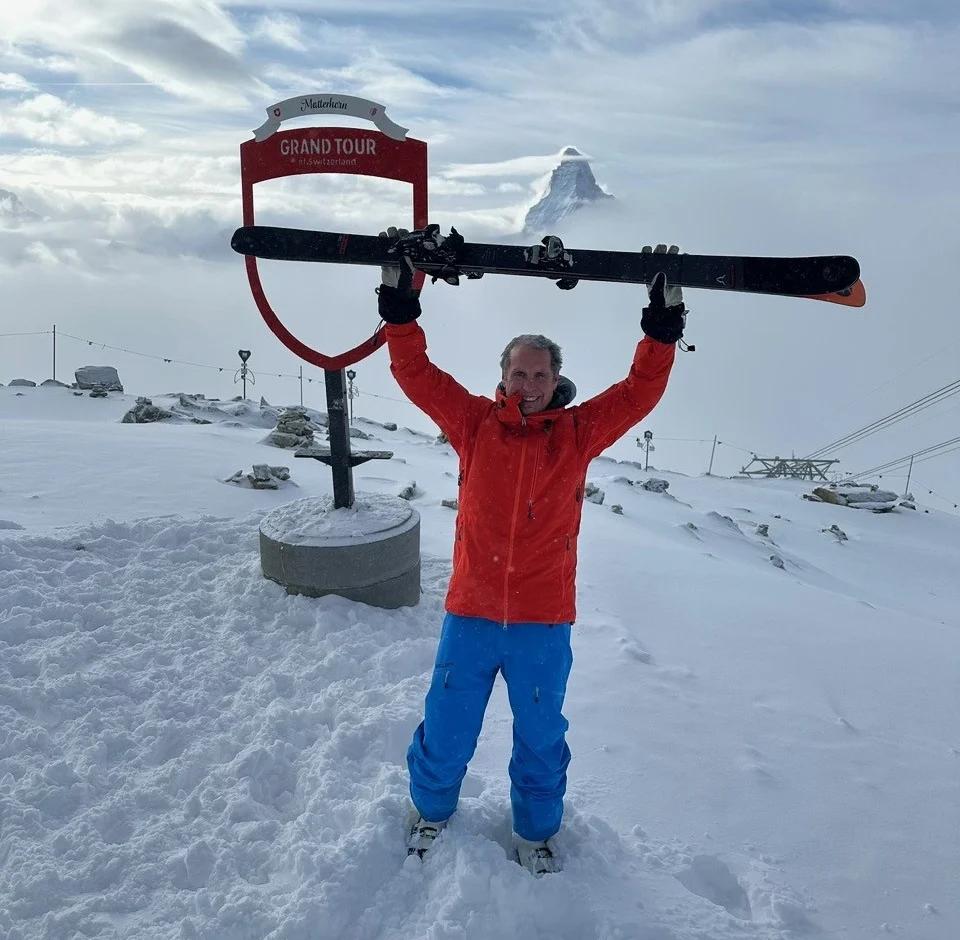
His next goal was even more ambitious. “Skiing is my passion. I was determined to get back on the slopes. Ten months to the day after my operation, I was in Zermatt, in Switzerland, holding my skis over my head.”
John and his friends had been skiing together for 30 years, making this return even more meaningful.
“I’d almost missed a whole year, which really got to me. I’d skied for 40 years and never missed one until then.”
His clinical nurse specialist wasn’t as thrilled. “She gave me a bit of an eye roll when I told her I was going skiing,” he laughs. “She told me professionally to wait until the end of the season. When I told her I was going at the beginning of the season, I got the eye roll and a ‘Be careful.’”
He went back a few weeks later with his wife and daughter, a moment was deeply emotional.
“I remember in my darkest days thinking, maybe I’ll never do this again. But I made it,” John said.
The Silent Symptoms we all Ignore
Despite oesophageal cancer being one of the top cancer killers in men, public awareness remains low. “I knew nothing about oesophageal cancer – didn’t even know it was a thing,”
John admits. “You hear about breast cancer, lung cancer, but I had never heard of this.”
His experience highlights the dangers of dismissing persistent heartburn and indigestion.
“I’ve always struggled a little bit with heartburn and indigestion,” he says. “I’d been to doctors over the years and been given things like omeprazole. I took them for a while, it helped, and I’d move on. I put it down to drinking too much when I was younger, eating too much rich food.”
But that seemingly harmless heartburn was a sign of something far more serious. “One doctor told me he wished there weren’t things like Gaviscon on the market. People pop them instead of going to the doctors.”
Getting used to a Changed Life
John’s run-in with cancer continues to have a physical and mental impact, on both his lifestyle and his approach to life.
“I was always a big planner, but now I find it hard to plan too far ahead,” he said. “But I keep telling myself you might as well do the things you love while you can, because you don’t know what’s around the corner.
“It’s also made me more tolerant. There are things I would have got annoyed at before that now just don’t matter.”
He’s also had to deal with major changes to his eating, drinking and sleeping habits.
With a smaller stomach and a reconstructed oesophagus, without a valve to keep the stomach acid in, John now must eat smaller meals, more frequently. He’s had to change the way he sleeps, propped up in bed rather than lying down. And he’s finding it tough.
“Eating and drinking isn’t great. It would take me ages to drink a pint and I’ve always been told off by the wife for eating too quickly. Now I have to eat differently. Drink small amounts, eat small portions, chew everything really well. It’s not the same as before, but you adapt,” he said.
A Final Message – What Everyone Needs to Know
Today, John is urging others to take symptoms seriously. “If you have persistent heartburn or trouble swallowing, don’t ignore it. I wish I’d known that long-term heartburn could lead to cancer.”
His journey is also one of hope. “A year on, I feel strong. I go to the gym, I walk every day. My oncologist said, ‘There is no sign of cancer in your body.’ That’s the best news I could ask for.”
He added: “Getting through cancer isn’t pleasant, it’s hard, it’s bloody hard, but you can get on with it, you know. There is life afterwards
“I don’t think about cancer everyday now.
“I had a period, where every day, I thought about it. The minute my eyes opened in the morning, I’d think, I’ve got cancer. I thought it right through the treatment and probably a while after, but not anymore.
“When I went skiing with the girls at New Year and skiing with the lads, I didn’t think about cancer at all in the week, except when I got some stick from the lads and said, “You’ve got to give some credit boys, I’ve got cancer.”
John’s story is a powerful reminder of the importance of early detection—and the resilience of the human spirit. “I don’t take things for granted anymore. I say yes to things I might have put off before. Life is for living.”
His next goal? “My daughter might get the chance to compete with her swimming team in Dubai next year. If she does, I’ll be there to watch her. That’s my new target. And I plan to hit it.”