
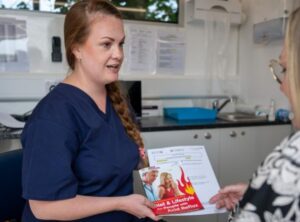
 Heartburn Cancer UK is delighted to welcome the expansion of the Heartburn Health Check into Wales as part of the landmark BEST4 (Barrett’s oESophagus Trial 4) programme.
The study is evaluating whether a simple capsule sponge test could help identify Barrett’s oesophagus and early oesophageal adenocarcinoma sooner in people with persistent heartburn and reflux symptoms. By detecting Barrett’s oesophagus before cancer develops, researchers hope to improve earlier diagnosis and ultimately save lives.
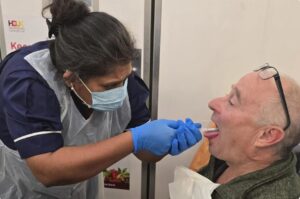
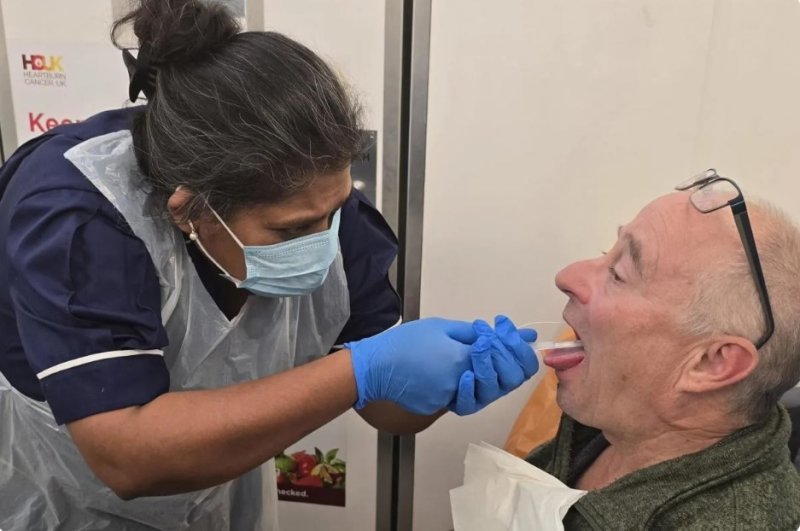
The Heartburn Health Check uses the capsule sponge – a simple test that can be completed in just a few minutes without the need for sedation. It offers a less invasive alternative to endoscopy and has the potential to identify people who may benefit from further investigation while avoiding unnecessary procedures for others.
The expansion into Wales marks another important milestone in the UK’s journey towards earlier detection of oesophageal cancer. The Welsh trial will help determine whether targeted screening for people with persistent heartburn and reflux should become part of future NHS care.
At Heartburn Cancer UK, we are proud to have supported the development of capsule sponge research over many years and to continue championing earlier diagnosis, greater public awareness and improved access to innovative technologies.
Persistent heartburn should never be ignored. If you have experienced heartburn or acid reflux for three weeks or more, particularly if symptoms continue despite treatment, it is important to speak to your GP or pharmacist.
- The trial is open to men aged 55–79 and women aged 65–79 who are currently taking medication for chronic heartburn.
- Eligible people can join Heartburn Health through the NHS Wales text message invitation or by visiting https://orlo.uk/367Vc
- More information about the trial can be found on the BEST4 Screening Trial website, www. https://orlo.uk/ZHtsX, or by emailing cuh.best4screening@nhs.net or calling 0808 281 4772.
We look forward to seeing the Welsh study recruit participants and contribute to the growing evidence that earlier detection of Barrett’s oesophagus can improve outcomes for patients across the UK.