
When we talk about oesophageal cancer – cancer of the food pipe or gullet – we are actually talking about two main types: adenocarcinoma and squamous cell carcinoma (SCC).
They develop from different types of cells and tend to have different patterns in terms of where they develop and the risk factors associated with them.
Adenocarcinoma and squamous cell carcinoma start in different cells and are linked with different risk factors. But anyone can develop oesophageal cancer, even if they have never had heartburn. And having a risk factor does not mean you will get cancer. Having no known risk factors does not mean you cannot get it.
Understanding these differences is particularly important when we talk about the relationship between persistent heartburn, acid reflux, Barrett’s oesophagus and the types oesophageal cancer.
What is the Oesophagus?
The oesophagus, sometimes called the food pipe or gullet, is a muscular tube that carries food and drink from your mouth to your stomach.
The inside of the oesophagus is covered by a layer of cells. The two main types of cells found in this lining are squamous cells and glandular cells.
Oesophageal cancer can develop from either type of cell:
- Adenocarcinoma develops from glandular cells.
- Squamous cell carcinoma develops from squamous cells.
There are also rarer types of oesophageal cancer, but adenocarcinoma and squamous cell carcinoma account for the vast majority of oesophageal cancer cases.
Adenocarcinoma
Adenocarcinoma is the most common type in the UK. It usually starts in gland cells near the bottom of the oesophagus.
It is linked with long-term acid reflux. This is also called gastro-oesophageal reflux disease (GORD), when acid from the stomach moves up into the food pipe. Other risk factors include smoking and being overweight.
The link between heartburn, Barrett’s Oesophagus and Adenocarcinoma
This is particularly important when we talk about persistent heartburn.
Long-term reflux can damage the lining of the oesophagus. In some people, the cells change. This is called Barrett’s oesophagus.
Barrett’s oesophagus is not cancer, but it can raise the risk of adenocarcinoma. Most people with Barrett’s do not develop oesophageal cancer.
It is also important to remember that not everyone who develops adenocarcinoma has Barrett’s oesophagus, and most people who experience heartburn or reflux will not develop cancer.
The relationship is more accurately described as: Long-term acid reflux/GORD → Barrett’s oesophagus in some people → increased risk of adenocarcinoma
Squamous Cell Carcinoma
Squamous cell carcinoma is the second most common type of oesophageal cancer in the UK.
It develops from the squamous cells that make up the inner lining of the oesophagus and tends to occur more often in the upper and middle parts of the oesophagus.
The most important established risk factors include:
- Smoking
- Alcohol consumption
Smoking increases the risk of both main types of oesophageal cancer, while alcohol is particularly associated with squamous cell carcinoma.
There is also emerging evidence around other potential risk factors. Recent UK research has found an association between drinking very hot drinks and an increased risk of squamous cell carcinoma.
We have taken a look at this in more detail in a separate blog, including what the research tells us and what “very hot” actually means. Read our blog about hot drinks and oesophageal cancer here.
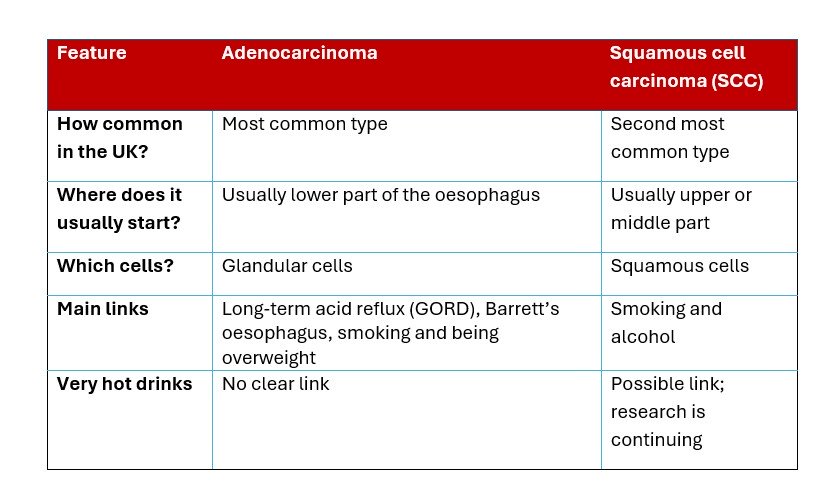
At a Glance: Adenocarcinoma vs Squamous Cell Carcinoma
The two main types of oesophageal cancer share some risk factors, but there are also important differences.
It is worth remembering that these risk factors can overlap and that having a particular risk factor does not mean that someone will develop oesophageal cancer.
Does Heartburn Cause Oesophageal Cancer?
Heartburn does not cause every oesophageal cancer. But acid reflux that happens often over a long time – known as gastro-oesophageal reflux disease (GORD) – can raise the risk of adenocarcinoma.
Most people with heartburn or reflux will not develop cancer. You can also develop oesophageal cancer without having heartburn.
Do Symptoms Differ Between the Two Types of Oesophageal Cancer?
The symptoms of adenocarcinoma and squamous cell carcinoma can be very similar. You cannot tell which type of oesophageal cancer someone has from their symptoms alone.
Possible symptoms include:
- Difficulty swallowing
- Pain or discomfort when swallowing
- Feeling as though food is sticking in your throat or chest
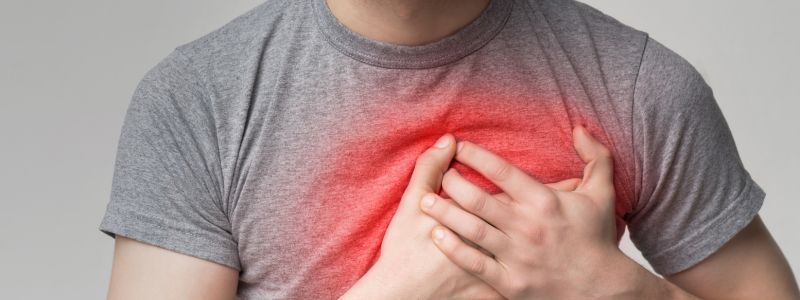
- Persistent heartburn or acid reflux or indigestion
- Unexplained weight loss
- Loss of appetite
- Persistent cough
- Hoarseness
- Feeling or being sick
Do NOT Ignore Difficulty Swallowing
Difficulty swallowing, also known as dysphagia, is an important symptom of all types of oesophageal cancer.
There are many possible causes of difficulty swallowing and it does not necessarily mean that someone has cancer. However, it should always be investigated by a healthcare professional.
How is Oesophageal Cancer Diagnosed?
If your GP is concerned about your symptoms, they may refer you for further tests.
One of the main tests used to investigate the oesophagus is an endoscopy, or gastroscopy. A thin, flexible tube with a camera is passed through the mouth and into the oesophagus, allowing a specialist to examine the lining.
If an abnormal area is seen, the specialist can take a biopsy – a small sample of tissue.
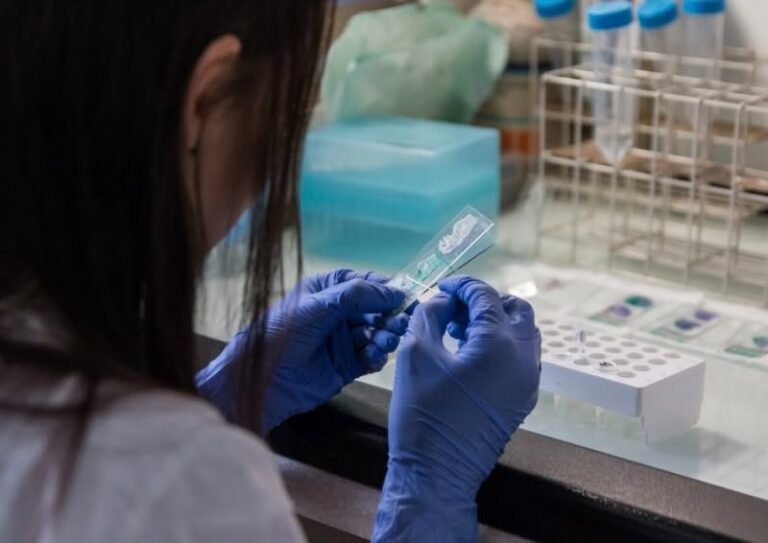
The biopsy is examined under a microscope to determine whether Barrett’s oesophagus or oesophageal cancer is present and, if cancer is found, what type it is. This is how doctors establish whether someone has adenocarcinoma or squamous cell carcinoma.
Further tests and scans may then be used to determine the stage and grade of the cancer and whether it has spread. These results help the specialist team decide on the most appropriate treatment.
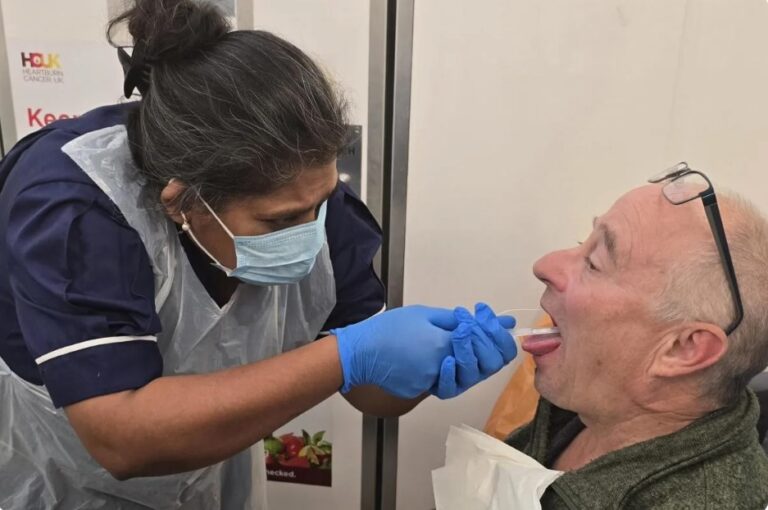
A capsule sponge test may be used in some NHS areas to look for Barrett’s oesophagus. You swallow a small capsule on a thread. It opens into a sponge in the stomach and collects cells as it is gently pulled back up. It is not a test for cancer itself.
Find out more about the capsule sponge test.
Does Treatment Differ Between the Two Types of Oesophageal Cancer?
Treatment is not determined by the type of cancer alone, doctors will consider:
- Where the cancer is located
- Its stage and grade
- Whether it has spread
- The person’s general health
- The person’s individual circumstances
Treatment options can include:
- Surgery
- Chemotherapy
- Radiotherapy
- Chemoradiotherapy
- Immunotherapy
- Targeted treatments
For oesophageal squamous cell carcinoma, chemoradiotherapy is commonly used. Depending on the individual circumstances, this may be given before surgery or as the main treatment without surgery.
For oesophageal adenocarcinoma, surgery is commonly an important part of treatment when the cancer can be removed. Chemotherapy or chemoradiotherapy may be given before surgery, and in some circumstances further treatment may be offered afterwards.
For advanced oesophageal cancer, chemotherapy, immunotherapy and targeted treatments may be considered for either type, depending on the individual cancer and the results of tests on the tumour.
Can Oesophageal Cancer be Prevented?
There is no way to completely eliminate the risk of oesophageal cancer, but there are things you can do that may help reduce your risk and, in some cases, reduce reflux symptoms.
- Don’t smoke – Smoking increases the risk of both adenocarcinoma and squamous cell carcinoma of the oesophagus. Stopping smoking can reduce this risk and has many other benefits for your health. If you smoke and would like help to stop, speak to your GP, pharmacist or NHS Stop Smoking Service.
- Limit alcohol – Alcohol is a recognised risk factor for oesophageal cancer and is particularly associated with squamous cell carcinoma. The more alcohol you drink, the greater the risk. Reducing how much you drink, or avoiding alcohol altogether, can help reduce your risk.
- Maintain a healthy weight – Being overweight or obese is associated with an increased risk of oesophageal adenocarcinoma. Excess weight can also increase the likelihood of experiencing acid reflux and GORD. If you are overweight, losing weight can help reduce your risk and may also improve reflux symptoms.
- Eat a healthy, balanced diet – Eating a healthy, balanced diet is an important part of looking after your overall health. Try to include plenty of fruit and vegetables, wholegrains, beans, pulses and other fibre-rich foods, alongside a varied range of nutritious foods.#
- Know your reflux triggers – If you experience reflux, you may find that spicy, fatty, acidic or very large meals make your symptoms worse. Triggers vary from person to person, so keeping a food and symptom diary can help you identify the foods, drinks and habits that seem to make your symptoms worse.
You may also find it helpful to:
- Eat earlier – Try not to eat within a few hours of going to bed.
- Eat smaller meals – Large meals can make reflux more likely.
- Stay upright – Avoid lying down immediately after eating.
- If you experience reflux at night – Raising the head of your bed may help reduce symptoms.
Read more about diet and lifestyle changes.
What About Very Hot Drinks?
There is emerging evidence linking very hot drinks with an increased risk of squamous cell carcinoma. This is an area of ongoing research and we take take a closer look at the evidence around hot drinks, temperature and oesophageal cancer in our a blog post here.
Most importantly, don’t ignore persistent symptoms, speak to your GP
Looking after your health and reducing risk factors can help, but there is no way to completely eliminate the risk of oesophageal cancer.
That’s why knowing the symptoms matters.
If you have heartburn or acid reflux most days for three weeks or more, speak to your GP.
And if you develop difficulty swallowing, feel as though food is sticking in your throat or chest, unexplained weight loss, persistent vomiting, or other symptoms that concern you, don’t wait for them to go away. Speak to your GP and get them checked urgently.
These symptoms can have many different causes and having them does not mean you have cancer. But persistent or concerning symptoms should always be investigated.
Don’t swallow your discomfort. Get it checked.