
As I approach the four-year anniversary of my surgery, I find myself reflecting on a day that changed everything.
Eviction Day
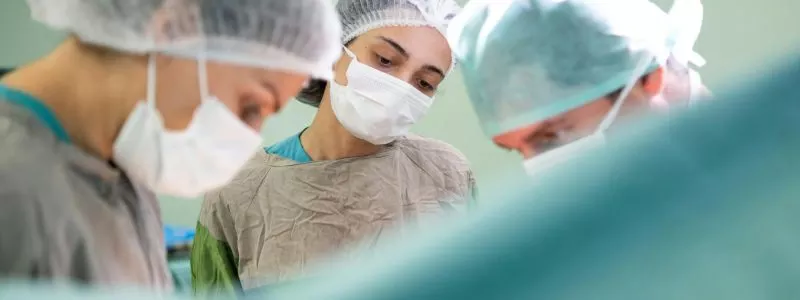
I had an oesophagectomy, an 11-hour operation that quite literally saved my life. I woke up with 14 tubes coming in and out of me. I was disoriented, confused about where I was, but thankfully I wasn’t in pain, and even now, four years on, I remember it all like it was yesterday.
That morning, when I was admitted for surgery, I wasn’t filled with fear the way you might expect. I was actually looking forward to it. I know that may sound strange. I called it “eviction day.” It was the day my unwanted squatter, AKA my tumour, was finally being kicked out. Or more accurately, cut out. After everything that led to that point; the scans, the appointments, the waiting, I was ready. Ready for “it” to be gone.
Adapting After An Oesophagectomy
Life after an oesophagectomy is not life as it was before. Surgery may remove the tumour, but it also brings with it change, permanent change.
I had to learn how to sleep differently. I now use a wedge pillow every night, along with three or four standard pillows and a body pillow for extra support. Lying flat is no longer an option for me. Something as simple as going to bed became something I had to relearn.
Eating changed too. Food, which was once instinctive and social and easy, became something that required thought and planning. I now aim to eat six to seven small portions a day instead of three regular meals, more grazing than “mealtime”. I’ve had to learn which foods trigger dumping syndrome and how to avoid them. It’s trial and error. It’s listening to my body. It’s accepting that “normal” looks different now.
A question I get more often than you might think is: “Would you do it again?” “Hell yes” is my response.
Again, that might sound strange to some people. Why would anyone willingly choose an 11-hour surgery, tubes, scars, discomfort, lifelong adjustments?
Because that surgery took away my tumour.
It gave me more mornings.
More time with my children.
More moments with my husband.
More memories.
And that is everything.
A Rollercoaster of Emotions
Over the past four years, I’ve had, what I can only describe as, a love–hate relationship with my surgery.
At first, I loved it. The tumour was gone. I was alive. Gratitude carried me through those early weeks and months. But as recovery became harder, as the reality of long-term effects set in, I struggled. I hated what the surgery had done to my body. I hated the limitations. I hated how hard everything felt. But then there would be a new day I’d feel the simple, powerful gift of just being here. And I would be thankful again. No matter how I feel about the surgery, I am always thankful for the surgeon, for the nurses, for the entire team who gave me this second chance.
That’s the thing about major surgery and cancer recovery: the relationship you have with it changes. Your thoughts change. Your feelings change. Some days you feel strong and grateful. Other days you feel frustrated, tired and overwhelmed. Every one of those emotions is valid. Every single one is okay.
As I approach year four, I’m still adjusting. I’m still learning. I’m still adapting to this body and this life. And I look forward to writing about year five, year six and beyond. I suspect I’ll still be “getting used to it” for a long time yet. But I’m here. And that’s what matters most.
Five Things That have Helped Me Along The Way
- Patience with myself: Recovery isn’t linear. Some days I felt strong; other days I felt like I was back at the beginning. Learning to give myself space and not compare my journey to anyone else’s made a huge difference.
- Small, consistent routines: Whether it was my pillow set-up at night or planning my small meals each day, routines gave me stability when everything else felt unfamiliar.
- Listening to my body: Understanding my limits, recognising trigger foods, resting when I needed to, and not pushing through exhaustion helped me heal more sustainably.
- Talking honestly about the hard bits: The frustration, the grief for my “old” body, speaking about it openly stopped those feelings from becoming heavier than they needed to be.
- Remembering my “why”: On the hardest days, I remind myself: the tumour is gone. I am here. And that makes every adjustment worth it.
Top Tips for Oesophagectomy Surgery
If you’re approaching surgery, here are a few things that’s good to know beforehand:
- Recovery takes time, more time than you might expect: Be patient with your body. Major surgery like this is a marathon, not a sprint.
- Don’t underestimate the power of small meals: Eating little and often can make a huge difference. It takes time to learn what works for you, so allow yourself space to experiment.
- Sleep set-up matters: Many people find sleeping slightly upright helps with reflux and comfort after surgery. A wedge pillow or extra pillows can be really helpful.
- Accept help when it’s offered: Whether it’s lifts to appointments, help with cooking, or emotional support. Let people help you. Recovery is easier when you’re not doing it alone.
- Be kind to yourself emotionally: It’s normal to feel grateful, angry, scared, hopeful, and sometimes all in the same day. Give yourself permission to feel it all.
- Focus on the bigger picture: Surgery is tough, but it’s also a chance at more time, more memories, and more life.
If you have found David’s blog post helpful you may like to find out more about his cancer journey and experiences.